
 01 / Platform
 Robotics
Mobile manipulators and service robots operating beside people in unstructured environments.
- Perception
- Motion planning
- Human safety
Research effort
Fusiores explores a single question: how can the latency of local AI models — and of everything around them — be reduced without losing reliability and safety? This site documents where that work currently stands.
These values describe the target range of the research — not measured product properties.
Starting point
Systems that move through the physical world cannot wait for an answer from a data center. An exoskeleton catching a fall, a rotor countering a gust, a manipulator working beside a person — each needs perception, judgement and reaction inside a single closed control loop.
Local models solve the network problem, but they relocate it: on embedded hardware every convolution, every memory access and every context switch costs time. Pushing latency down invites shortcuts that weaken exactly what matters here — dependable behaviour in the exception. That tension is where Fusiores works.
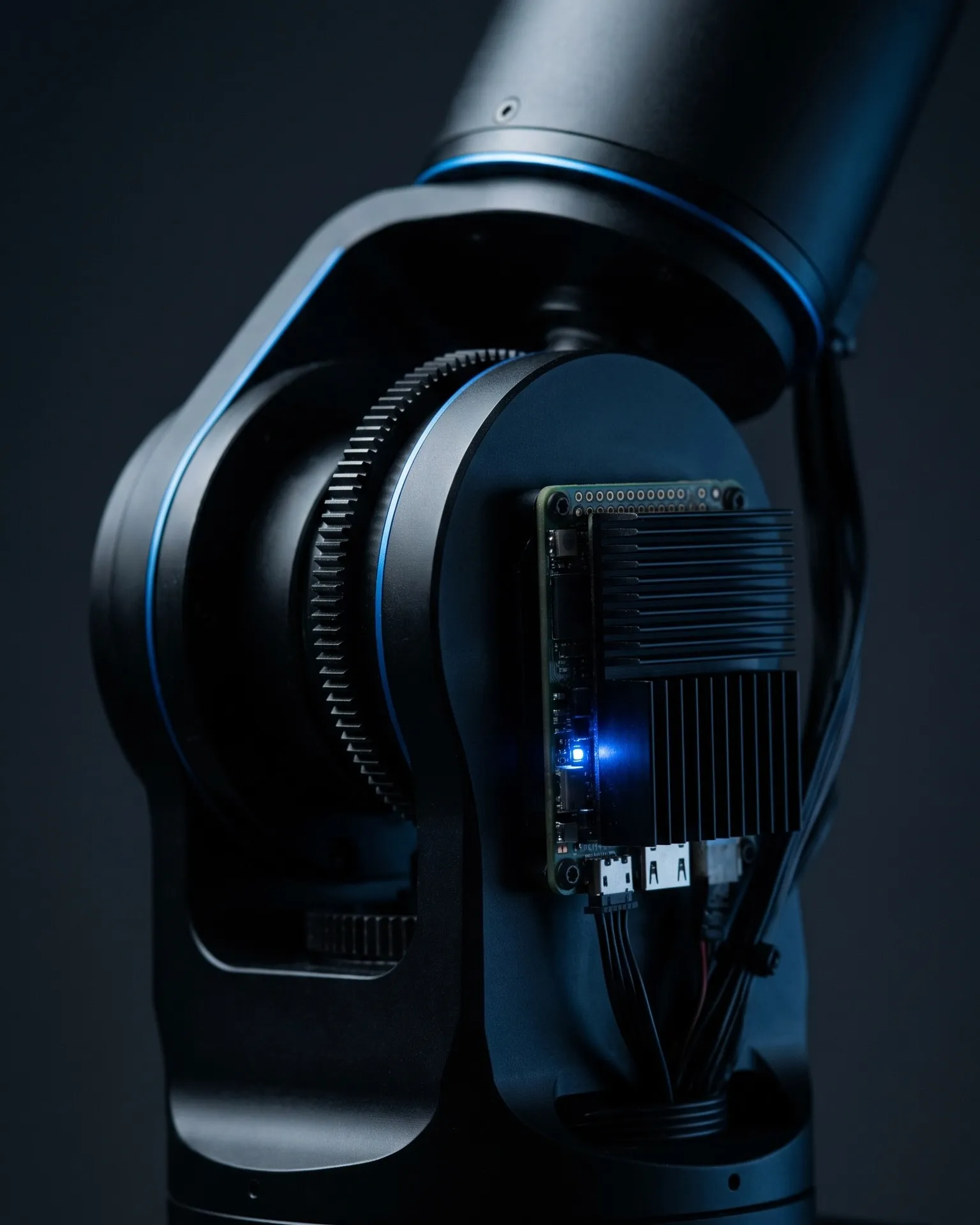 Visual — Embodied Platform
 Requirements
What a system has to be measured against before it is allowed into the physical world.
What matters is the upper latency bound, not the mean. In a control loop a rare outlier is not noise — it is a failure case.
Sensor data never leaves the device. Processing, model and state remain entirely under the operator’s control.
Defined fallback levels and traceable behaviour. A speed-up that cannot be explained is not an improvement.
Quantisation, pruning and hardware-level kernels — models in the watt range instead of the kilowatt range.
Domains
The platforms where this question becomes practical.
01 / Platform Mobile manipulators and service robots operating beside people in unstructured environments.
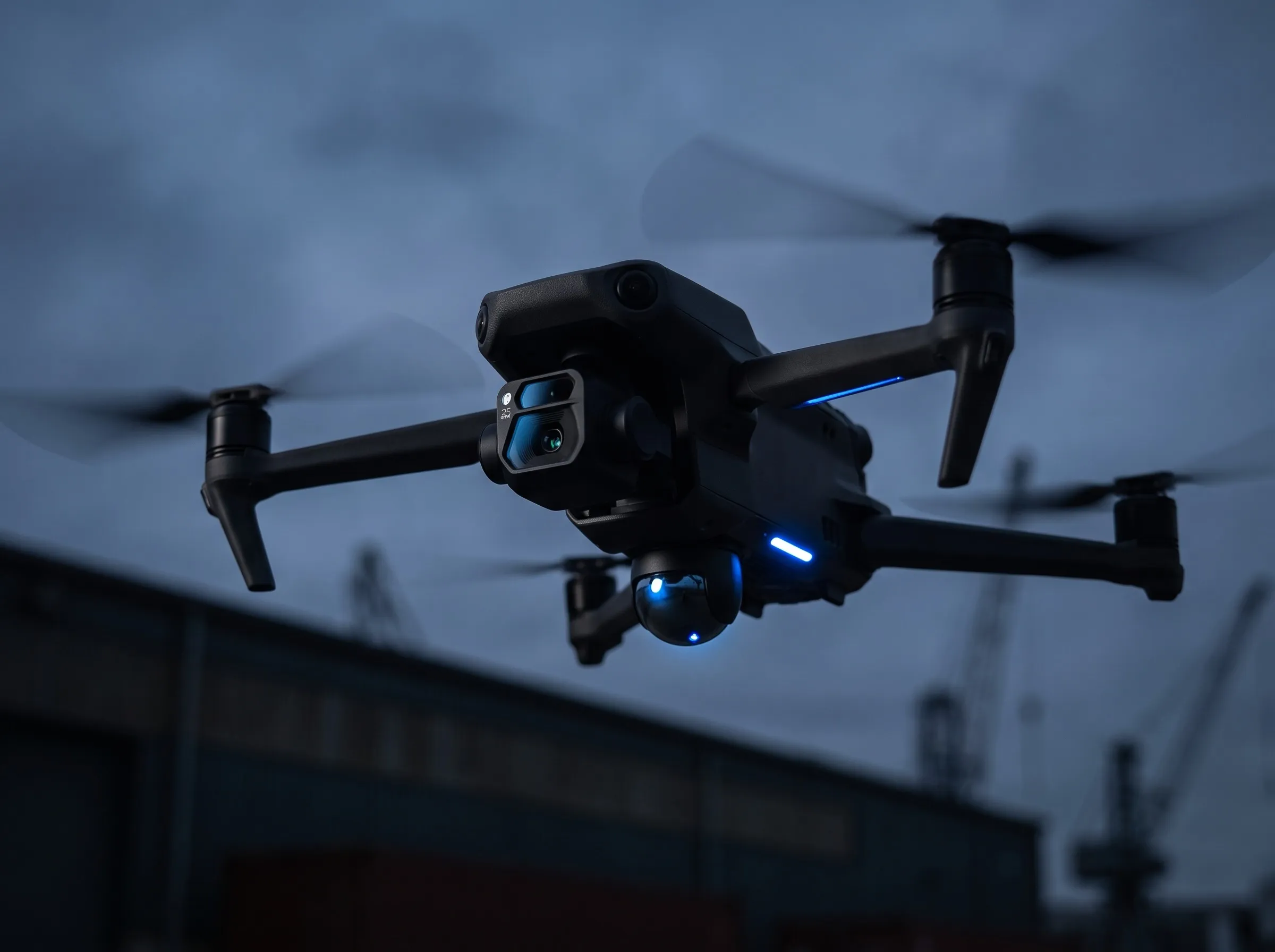 02 / Platform
 Drone platforms with local navigation, obstacle detection and mission logic without a radio link.
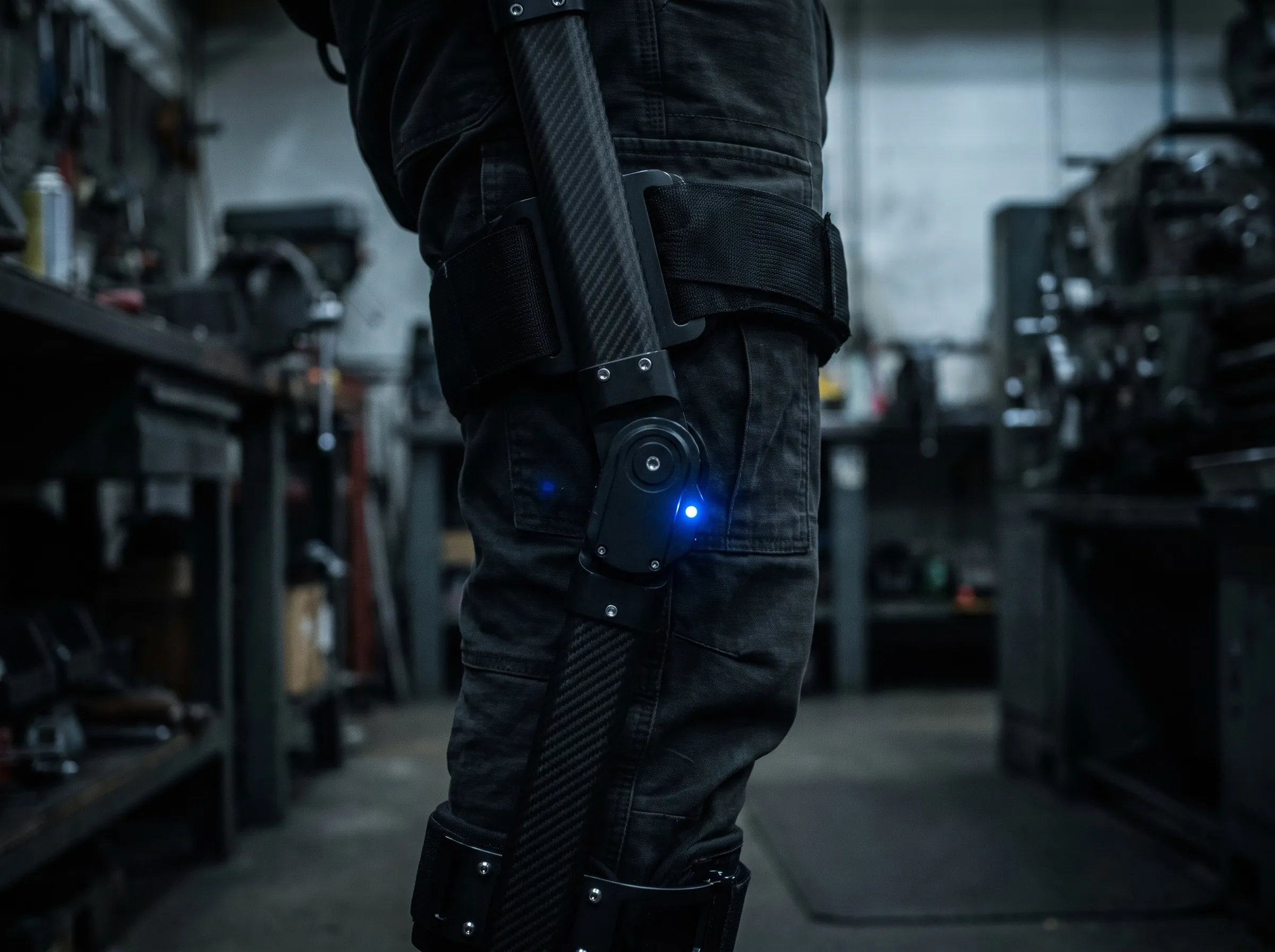 03 / Platform
 Wearable assistance systems that read movement intent in milliseconds and transfer force safely.
Research approach
Four steps that repeat throughout the work.
First make visible where the time actually goes — model, memory, scheduling or sensors. Without solid measurement on the target hardware, every optimisation is guesswork.
Quantisation, structured pruning and distillation shrink the model. The interesting part is less the speed-up than the question of which behaviour is lost along the way.
The biggest lever is often not the model but the pipeline around it: hardware-level kernels, memory layout and how the whole thing sits inside a real-time operating system.
Hardware-in-the-loop and endurance testing show whether the speed gained holds up in the exception — and where a fallback level is needed.
Exchange
This site sells nothing and currently offers no services. Questions, pointers from practice or a prototype to test on are welcome at any time.